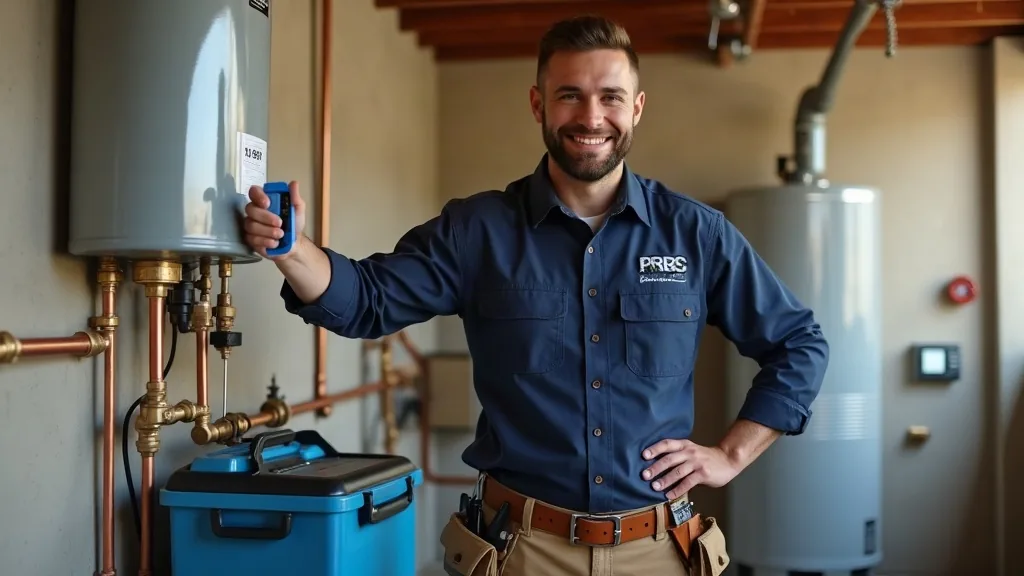
San Antonio — Spanish for "Saint Anthony" — sits in Bexar County on a foundation of expansive Vertisol clay soils that behave very differently from the uniform ground most homeowners assume lies beneath their slab. These soils, commonly called black cotton soil, shrink dramatically during the region's dry spells and swell with significant upward and lateral force when heavy rain arrives — and that constant movement is one of the primary reasons slab leaks are so common across the city. When a buried pipe shifts even a fraction of an inch under that pressure, water can begin migrating silently through the slab long before a wet spot or high utility bill alerts anyone.
Our team serves San Antonio and the greater Bexar County area, bringing non-invasive electronic detection to homeowners who need an exact leak location before any concrete is touched or trench is opened. Whether the call comes from an older galvanized-pipe home on the near West Side or a newer copper-plumbed build in Stone Oak, our local experts use acoustic, thermal, and tracer-gas methods to find the problem first — then coordinate with licensed master plumbers for the repair phase that the City of San Antonio Development Services Department requires to be permitted and inspected.
What Happens During a Water Leak Detection Visit in San Antonio, TX
A typical leak detection visit in San Antonio begins with a pressure isolation test: our technician shuts down each zone of your plumbing and watches a calibrated gauge for pressure drop, confirming whether a leak is active and roughly which branch it occupies. This takes roughly 15 to 30 minutes and immediately narrows the search area before any specialist equipment is deployed.
Electronic and Acoustic Listening
An acoustic leak detector — a ground-contact microphone and amplifier system sensitive enough to hear water escaping through a pinhole — is then placed at intervals along the pipe route. In San Antonio's clay-heavy soil, sound transmission through the ground behaves differently than in sandier terrain, so our network of licensed pros adjust amplifier sensitivity and filter settings accordingly. The equipment isolates the frequency signature of a leak from normal traffic or HVAC noise, narrowing the location to within inches.
Thermal Imaging and Moisture Mapping
An infrared camera scans slab surfaces and interior walls for temperature anomalies caused by escaping water — cold spots under a warm floor slab are a reliable indicator of a slab leak in progress. A moisture meter then confirms elevated readings at the flagged points without requiring a single hole to be cut. Together, these three tools — acoustic leak detector, infrared camera, and moisture meter — give us a documented location that a licensed plumber can act on with a targeted repair rather than speculative demolition.
From arrival to written location report, most San Antonio detection appointments are completed within one to three hours for a standard residential property. Larger foundations or multi-zone commercial plumbing may extend that to a half-day.
How San Antonio's Water System Affects Leak Detection
The San Antonio Water System (SAWS) consistently reports water hardness above 200 mg/L — classified as very hard — across much of its service area. That mineral load is not just a nuisance for appliances; it actively shortens the life of copper pipe by depositing scale that creates pitting and, over years, pinhole corrosion sites that become hidden leaks inside walls and under slabs.
What Hard Water Does to Copper Plumbing
Copper pipe corrodes from the inside out when SAWS water chemistry interacts with aging joints and fittings, particularly in homes built before the 1990s. A water leak detector sensitive enough to find these pinhole leaks must work at very low flow rates — the escaping volume can be as little as a few ounces per minute, invisible without an acoustic or electronic leak detector tuned to the correct frequency band. Our team carries both ultrasonic and ground-contact acoustic sensors precisely because San Antonio pinhole leaks rarely produce the audible drip that tips off a homeowner.
Caliche Soil, Limestone Bedrock, and Buried Lines
Beneath the clay topsoil, much of Bexar County transitions to caliche soil layers and limestone bedrock — a substrate that affects how underground irrigation lines and sewer laterals move during the city's feast-or-famine rainfall cycles. NOAA climate normals show San Antonio averaging roughly 32 inches of rain per year, delivered mostly in intense short bursts rather than steady soaking rain. That rapid saturation followed by fast drying cycles the clay above the caliche repeatedly, stressing buried lines and triggering irrigation leak detection calls throughout the spring and fall. Sewer line repair and drain cleaning are frequently needed after these cycles loosen root intrusions or shift older clay sewer laterals.
Permit-required repairs — including any slab penetration or underground line work — go through the City of San Antonio Development Services Department. Customers should allow additional days in the project timeline for permit issuance and inspection scheduling, particularly during post-storm demand spikes.
Slab Leak Repair Options for San Antonio Homes
Slab leaks are the most common and consequential leak detection call local pros handle in San Antonio, and the city's soil conditions explain exactly why. Expansive Vertisol clay beneath the slab pushes upward during wet seasons and contracts away from the foundation edge during drought — movement that stresses post-tension cable systems and pipe joints in both older and newer homes alike.
Why So Many San Antonio Homes Are Vulnerable
A large share of housing stock across the near North, South, and West sides was built between the 1950s and 1980s with galvanized steel or early copper pipe that is well past its design life. Galvanized pipe corrodes internally, reducing flow and creating leak points that develop slowly inside the slab. Hard freeze events like Winter Storm Uri in February 2021 added another layer of damage: pipes in exterior walls or uninsulated slab chases that had never experienced hard freeze temperatures burst and, in many cases, the resulting slow leaks were not immediately visible — meaning years later, some of those properties are still showing signs of hidden water migration beneath the concrete.
Targeted Repair vs. Full Reroute
Once an acoustic or infrared detection pinpoints the exact leak location, two repair paths are available. A targeted slab penetration repair accesses only the damaged section — this requires permits through the City of San Antonio Development Services Department and is inspected on completion. A full pipe reroute, in which new PEX pipe is run through the attic or interior walls to bypass the slab entirely, eliminates the original copper pipe and avoids future clay-movement stress on buried lines. PEX is now the preferred material for reroutes in San Antonio because its flexibility tolerates soil movement better than rigid copper pipe.
Pool Leak Detection Methods for San Antonio Backyards
Pool leak detection in San Antonio presents a different technical challenge from slab work: the structure is already full of water, the shell may be gunite or fiberglass, and the leak could be in the shell itself, a return line, the skimmer fitting, or the equipment pad plumbing. Our approach separates these possibilities methodically before any excavation is considered.
Pressure Testing vs. Dye Testing
A pressure test isolates the return lines, suction lines, and equipment plumbing separately: each section is capped, pressurized to a set value, and monitored for pressure loss over 15 to 30 minutes. Any line that fails holds the leak. Where shell integrity is in question, a dye test introduces a colored tracer at suspected crack locations or fitting edges — movement of the dye toward the shell surface confirms the site and approximate size of the breach. Pool leak detection using pressure testing combined with dye testing takes roughly two to four hours for a standard Bexar County residential pool.
Acoustic Listening for Underground Pool Lines
Unlike slab leak detection, where the technician listens through concrete, pool line acoustic detection uses equipment pressed against the deck surface above the buried return or suction lines. The acoustic leak detector amplifies the escaping water signature even through a foot of backfill and pool deck. This comparison matters for homeowners choosing between investigation methods: slab leak detection relies heavily on infrared and ground-contact acoustics in tandem, while pool leak detection leans on pressure testing first, with acoustic and dye methods used to confirm and pinpoint. Both services use non-invasive methods as the first step — no excavation, no demo work, until the location is documented.
Gas Leak Detection and Safety Checks in San Antonio
A gas leak in a San Antonio home demands immediate action: evacuate, avoid switching anything electrical on or off, and call from outside. Once the structure is cleared, our team deploys a combustible gas sensor — a catalytic bead or infrared-cell instrument that detects methane and propane concentrations in parts per million — to trace the source along supply lines, appliance connections, and meter risers.
How Gas Leak Detection Works
A gas leak detector is passed slowly along pipe runs at wall penetrations, appliance shutoffs, and flexible connector points. San Antonio's older housing stock means many gas supply lines run through walls that have experienced Winter Storm Uri freeze damage or simply decades of thermal cycling; fittings that were marginal before a hard freeze may now pass gas at trace levels that only a combustible gas sensor can confirm. Where the leak is suspected but not yet located, a pressure decay test on the entire gas system confirms whether the line holds pressure — the same logic as a water pressure isolation test, adapted for gas.
After Detection: Repair and Clearance
Gas leak repair in San Antonio follows the same permit pathway as water line work through the City of San Antonio Development Services Department. A licensed plumber repairs the section, the line is re-pressurized and re-tested with the combustible gas sensor before the meter is restored, and the inspection record closes the job. If you smell gas or suspect a slow leak, do not wait for a scheduled appointment — call us any time for emergency leak detection in San Antonio.
Finding Fast Water Leak Repair Near You in San Antonio
When a water leak is active — floor wet, water meter spinning, or ceiling stained — the first physical step is locating and closing the main shut-off valve. In most San Antonio homes this is at the meter box near the street or at a valve inside the utility room. Closing it stops the damage while a local plumber is in transit to your address.
Who Does Slab Leak Detection in San Antonio?
Homeowners searching for a water leak detector or asking "find a water leak detector near me in San Antonio Texas" will encounter both national franchise brands like American Leak Detection and locally operating specialists. American Leak Detection operates as a licensed franchise and uses broadly the same electronic methods — acoustic listening, tracer gas, infrared — that our team deploys. The practical difference lies in pricing structure, scheduling flexibility, and familiarity with Bexar County permit workflows. Whichever provider you choose, confirm they carry the full set of tools: an acoustic leak detector, an infrared camera, and a moisture meter for documentation — not just one method.
When to Book and What to Expect
Demand for leak detection in San Antonio peaks in February following hard freeze events and again in October and November as soil contraction accelerates with the first dry autumn weeks — lead times can extend during those months, so booking at the first sign of a problem rather than waiting for visible damage is the practical advice. For non-emergency plumbing leak detection near me searches in areas like Alamo Heights or Helotes, same-week appointments are typically available outside those peak windows. Our team also covers surrounding Bexar County communities including New Braunfels, Boerne, Schertz, Converse, Cibolo, and Leon Valley.
Beyond slab and gas work, local pros handle drain cleaning and sewer line repair coordination — both common follow-ons after a leak detection visit reveals root intrusion or corroded lateral lines. If you are comparing leak detection options across Texas, our colleagues cover Leak Detection in Dallas, Leak Detection in Austin, Leak Detection in Houston, Leak Detection in Fort Worth, and Leak Detection in Plano under the same detection standards we apply here in Bexar County.
Frequently Asked Questions — Leak Detection in San Antonio
How much does slab leak repair cost in San Antonio?
Limestone and caliche soil layers can complicate excavation if any trenching is needed, which may affect the final repair figure.
Does SAWS require a permit before slab leak repair in San Antonio?
The repair work itself — not the detection — requires permits through the City of San Antonio Development Services Department. Any slab penetration or underground line repair must be performed by a licensed master plumber and is subject to inspection.
Why do San Antonio homes get slab leaks so often?
Expansive Vertisol clay beneath the slab shrinks in dry weather and swells under wet conditions, repeatedly stressing pipe joints and bends embedded in the concrete. SAWS very hard water accelerates internal corrosion of copper pipe, creating pinhole leaks that worsen with each seasonal soil movement. Homes from the 1950s through 1980s with original galvanized or early copper plumbing face compounded risk from both factors.
How long does water leak detection take in a San Antonio home?
Most residential detection visits are completed within one to three hours using acoustic, infrared, and moisture-meter methods. Larger homes or multi-zone plumbing systems may require up to a half day. Pool leak detection, including pressure and dye testing, adds two to four hours for a standard backyard pool.
How does American Leak Detection differ from a local San Antonio plumber for leak detection?
American Leak Detection is a national franchise brand with licensed operators who use the same electronic detection methods — acoustic, tracer gas, infrared — available from local detection specialists. The difference is typically in pricing structure and local permit familiarity. Regardless of provider, the key is confirming they use a full toolkit: acoustic leak detector, infrared camera, moisture meter, and pressure testing — not a single method applied to every job.
Get Upfront Leak Detection Pricing for Your San Antonio Home
TrueLeak Pros serves San Antonio and Bexar County with non-invasive acoustic, infrared, and tracer-gas detection — no guesswork, no unnecessary demolition. Whether you have a suspected slab leak, a pool losing water overnight, or a gas line you need checked after a hard freeze, a local plumber is available any time with upfront pricing before work begins.
Call us now: +1 (877) 682-0374
We serve San Antonio, Alamo Heights, Helotes, Converse, Schertz, Cibolo, Boerne, Leon Valley, and surrounding Bexar County communities. Permits, licensed plumber coordination, and inspection scheduling — we walk you through every step.
San Antonio ( SAN an-TOH-nee-oh; Spanish for "Saint Anthony") is a city in the southern part of the U.S. state of Texas. It is the seventh-most populous city in the United States, the second-most populous city in Texas (…
The United States of America (USA), also known as the United States (U.S.) or America, is a country primarily located in North America. It is a federal republic consisting of 50 states and a federal capital district, Was…
How leak detection Works in San Antonio
4 steps from first call to finished job
Call
Tell us what is wrong at your San Antonio property and when suits you.
Call Now
You hear the price for the job before any work starts.
The Work Is Done
The work is carried out at your San Antonio property at the time agreed.
Aftercare
Something not right afterwards? Call the same number.
More San Antonio Services
Explore related pages
Leak Detection in Dallas
Leak Detection in Dallas — more from our San Antonio coverage.
Leak Detection in Austin
Leak Detection in Austin — more from our San Antonio coverage.
Leak Detection in Houston
Leak Detection in Houston — more from our San Antonio coverage.
Leak Detection in Fort Worth
Leak Detection in Fort Worth — more from our San Antonio coverage.
Leak Detection in Plano
Leak Detection in Plano — more from our San Antonio coverage.
leak detection in San Antonio — Common Questions Answered
Everything you need to know before hiring a professional in San Antonio
Service Coverage: San Antonio
Providing leak detection throughout San Antonio
Service Areas
Landmarks Near Us
Our Services in San Antonio
Comprehensive leak detection solutions for San Antonio homes and businesses
drain cleaning
Professional drain cleaning available throughout San Antonio and surrounding areas.
Get a Quotesewer line repair
Professional sewer line repair available throughout San Antonio and surrounding areas.
Get a Quoteslab leak repair
Professional slab leak repair available throughout San Antonio and surrounding areas.
Get a QuoteWhy San Antonio Homeowners Trust Us
The difference that makes our leak detection stand out in San Antonio
Identify hidden leaks quickly and accurately.
One number for every address in San Antonio.
Prevent costly water damage and repairs.
You hear the price for the job before any work starts.
Enhance the efficiency of your plumbing system.
Help for homes and businesses across San Antonio.
Minimize water waste and lower utility bills.
Call any time and say how urgent it is.
Need leak detection in San Antonio?
Contact Us for Professional Leak Detection — contact our local San Antonio experts for immediate assistance
We serve San Antonio including Alamo Heights, Stone Oak, Helotes and surrounding communities.